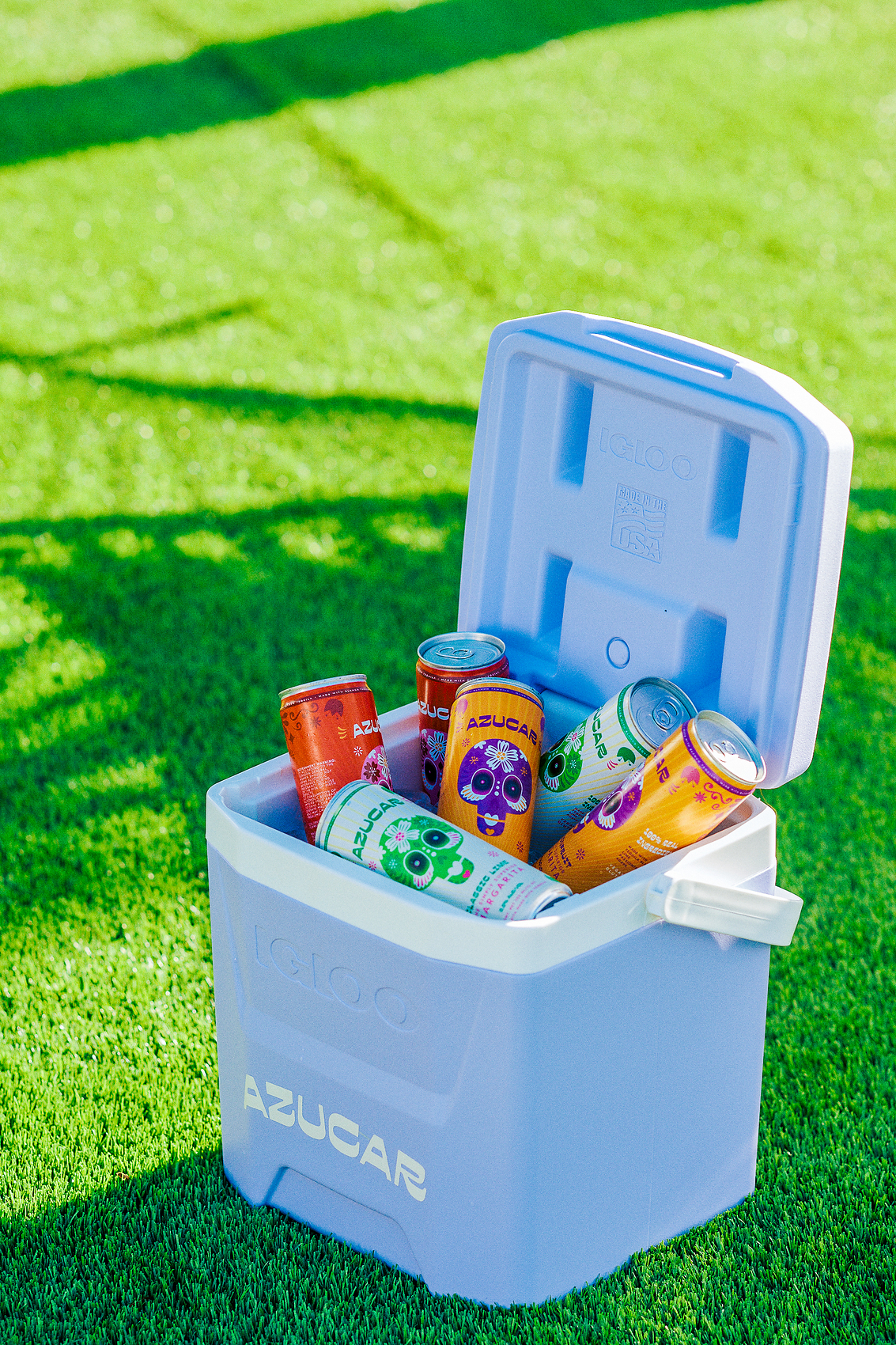
A new canned margarita brand is entering an already crowded RTD aisle — but Azúcar Tequila is making a deliberate bet that ingredient transparency and creator-driven brand equity can carve out durable shelf space. The Dallas-based brand launched October 15 with three SKUs — Classic Lime, Spicy Lime, and Passion Fruit — positioned around a 100% Blue Agave Blanco Tequila base, real fruit, and agave nectar. Each can is 5.5% ABV, 180 calories, vegan, and gluten-free. Dallas and Austin serve as the opening retail markets, with DTC channels providing parallel national reach while retail distribution scales.
The Ingredient Angle
The brand's core differentiator is what it isn't: malt- or wine-based. The bulk of the RTD cocktail market — particularly value-tier canned margaritas — relies on malt alcohol or wine base to sidestep tequila's higher cost and distribution complexity. Azúcar is pitching directly against that compromise, targeting consumers who read labels and compare RTD options the way they compare packaged food. For on-premise buyers and retail category managers evaluating RTD bar programs, the distinction matters: a real-tequila product occupies a different regulatory and shelf tier than malt-based alternatives, which affects placement, pricing strategy, and the consumers it draws into that section.
Creator Strategy as Distribution Engine
Owner Adam Weitsman has brought in Haley and Hanna Cavinder — former college basketball athletes turned multi-platform creators — as Creative Directors, a title that goes beyond a standard ambassador deal. The Cavinders are embedded in storytelling, social content, and occasion-based marketing, meaning the brand's consumer-facing identity is being built around their existing audience rather than constructed separately and handed to them. For operators watching how emerging beverage brands build awareness ahead of retail distribution, this structure is instructive: the creator relationship is being used as a pre-distribution awareness layer, softening market entry costs in a category where slotting and sampling budgets can be prohibitive for independent brands.
The Texas-first approach — proving velocity in Dallas and Austin before committing to a broader retail footprint — is a pattern operators and distributors have seen work for regional craft spirits and better-for-you RTD brands. It concentrates marketing spend, builds scan data that supports retailer conversations in adjacent markets, and lets the brand iterate on occasion-based programming (tailgates, watch parties, outdoor events) in markets where the Cavinders already have cultural traction. National ambition is real, but the sequencing reflects discipline that many splashy RTD launches have skipped, to their detriment.
For buyers sourcing RTD cocktail programs — whether for hotel minibars, stadium concessions, or specialty retail — Azúcar signals a broader shift worth tracking: the premium canned cocktail consumer is increasingly skeptical of base-alcohol shortcuts, and brands that can substantiate a real-spirits claim at an accessible price point are finding genuine white space. Category managers evaluating beverage brand launches and operator beverage intelligence should watch Azúcar's velocity data out of Texas over the next two quarters as a bellwether for whether ingredient-forward positioning can convert at shelf without the margin support a major spirits house provides.
Written by Michael Politz, Author of Guide to Restaurant Success: The Proven Process for Starting Any Restaurant Business From Scratch to Success (ISBN: 978-1-119-66896-1), Founder of Food & Beverage Magazine, the leading online magazine and resource in the industry. Designer of the Bluetooth logo and recognized in Entrepreneur Magazine's "Top 40 Under 40" for founding American Wholesale Floral, Politz is also the Co-founder of the Proof Awards and the CPG Awards and a partner in numerous consumer brands across the food and beverage sector.