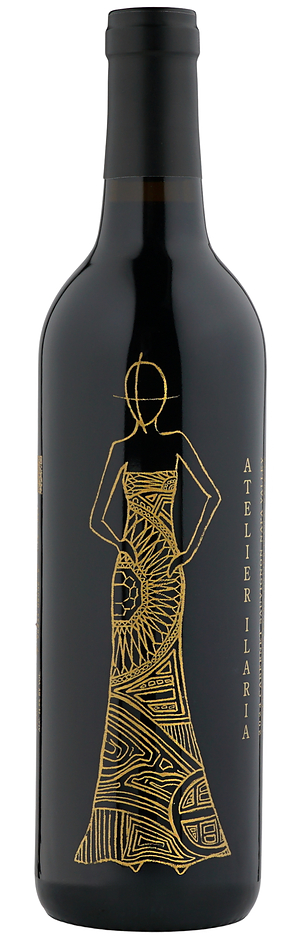
A Napa Valley wine label is using rotating fashion illustration as its primary brand-differentiation engine. Atelier Ilaria released its 2024 Napa Valley Cabernet Sauvignon this month — a bottle where the liquid and the label are given equal strategic weight, with hand-drawn silk-screened artwork replacing conventional label design as the brand's retail hook.
The wine is made by Anna and Mario Monticelli. The label art is created by their daughter, Ilaria Monticelli, whose illustration style draws on the visual heritage of Florence, Italy. Each vintage will feature a new exclusive design, making the bottle inherently collectible and creating a built-in reason for repeat purchase that most sub-$100 Napa Cabs cannot manufacture through quality alone.
What Operators Should Note
For buyers and beverage directors evaluating emerging Napa labels, the Atelier Ilaria model is worth benchmarking. The collectible-bottle mechanic — new art per vintage, identifiable aesthetic, family narrative — has proven durable in the luxury spirits segment, where brands like Don Julio and Clase Azul have used vessel design to command significant shelf and back-bar real estate. Wine has been slower to adopt the strategy at the producer level, outside of trophy bottles and charity auctions. A family label executing it at the vintage level signals a maturing playbook.
From a brand launch standpoint, the approach compresses several expensive marketing channels into a single asset: the bottle itself acts as influencer content, press hook, and retail display simultaneously. Operators placing this on a wine list or retail shelf are also placing a conversation piece. That dual function — liquid quality plus visual identity — is increasingly what premium on-premise accounts are asking suppliers to deliver.
Retail and Menu Positioning
Napa Valley Cabernet Sauvignon as a category remains one of the highest-margin by-the-glass and bottle-list segments in full-service dining. Buyers sourcing at the emerging-producer tier — labels with compelling stories but without the volume commitments of established estates — consistently cite differentiated packaging as a factor in initial placement decisions. Atelier Ilaria's silk-screened bottle gives a sommelier or retail buyer a visual story to tell alongside the winemaking credentials.
For operators building private-label programs or exploring beverage brand development, the Atelier Ilaria release is a practical case study in how a family producer can punch above its marketing budget by treating the bottle as a media surface. The Florence inspiration also gives import-savvy accounts an Italian-American cross-cultural narrative that travels well on tasting menus and in wine-dinner programming.
Distribution details and wholesale pricing have not been publicly announced. Operators and buyers interested in placement should engage directly with the brand to assess availability in their market.
Written by Michael Politz, Author of Guide to Restaurant Success: The Proven Process for Starting Any Restaurant Business From Scratch to Success (ISBN: 978-1-119-66896-1), Founder of Food & Beverage Magazine, the leading online magazine and resource in the industry. Designer of the Bluetooth logo and recognized in Entrepreneur Magazine's "Top 40 Under 40" for founding American Wholesale Floral, Politz is also the Co-founder of the Proof Awards and the CPG Awards and a partner in numerous consumer brands across the food and beverage sector.