The SKU and the Signal
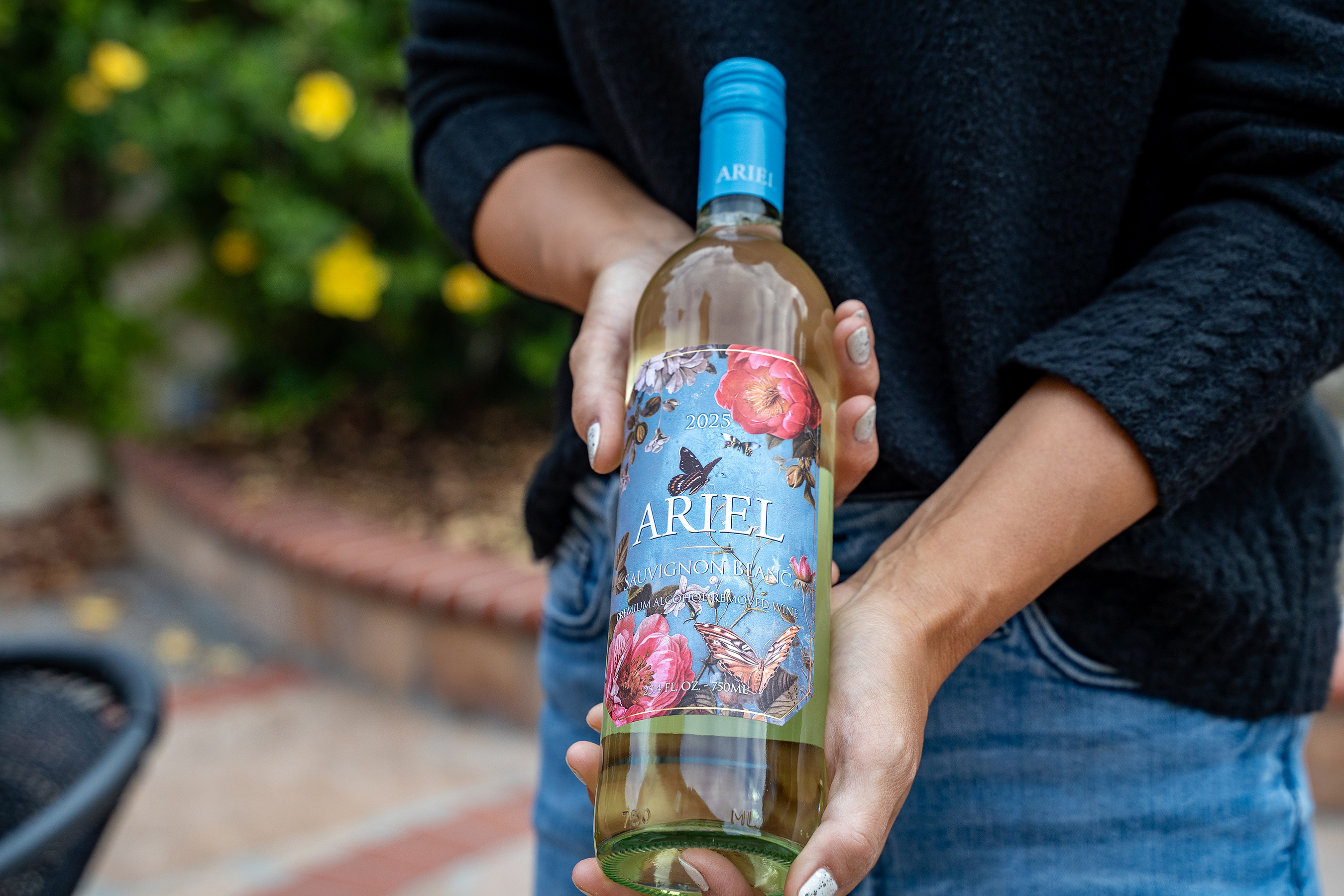
J. Lohr Vineyards & Wines is adding a 2025 Sauvignon Blanc to its ARIEL Vineyards lineup — a $13 suggested retail, zero-added-sugar, 21-calorie-per-serving alcohol-removed white that begins shipping September 2026. The move is less about a single SKU and more about where the category is heading: ARIEL's retail sales grew 16.7% in the 52-week period ending August 8, 2026, per NielsenIQ data — a growth rate that will get a buyer's attention in any channel.
Sauvignon Blanc is one of the top-performing white varietals in the conventional wine segment, and the ARIEL team is explicitly targeting that momentum. Cynthia Lohr, Co-owner and Chief Brand Officer of J. Lohr Vineyards & Wines, framed the launch around inclusion: "We want everyone to feel welcome at the table and to share in the joy of commemorating special moments by the raising of a glass of wine." That positioning — occasion-driven, premium, not medicalized — is exactly how better-for-you beverage launches land on retail planograms and restaurant wine lists today.
Why Operators Should Pay Attention
The Adult Non-Alcoholic Beverage Association reports that 92% of adults purchasing alcohol-removed beverages also purchase alcoholic ones. That stat has significant implications for operators building beverage programs: NA wine buyers are not a separate consumer — they are the same guest, making a different choice on a different occasion. A by-the-glass ARIEL Sauvignon Blanc does not cannibalize wine revenue; it captures a pour that otherwise leaves the table empty.
ARIEL's production process — reverse osmosis alcohol removal, a method J. Lohr first patented in 1985 — preserves the aromatic profile that makes Sauvignon Blanc recognizable: kiwi, lemon zest, natural acidity. For beverage directors skeptical of NA wine quality, the brand's recent hardware matters: a 2026 SIP Awards Platinum medal for ARIEL Cabernet Sauvignon, a Double Gold for ARIEL Chardonnay, and back-to-back USA Today 10Best awards for Best Non-Alcoholic Wine in 2024 and 2025. Third-party validation at that level supports menu placement conversations and justifies a price point above the NA category's commodity floor.
What Buyers and Distributors Should Model
For retail buyers, a $13 SRP alcohol-removed Sauvignon Blanc sits in premium NA territory — above the private-label floor but accessible enough for mainstream placement. The ARIEL portfolio now covers Cabernet Sauvignon, Chardonnay, and Sauvignon Blanc, giving a buyer enough breadth to justify a dedicated NA wine shelf set rather than a single-SKU placement.
For on-premise operators, the calculus is straightforward: wine-list guests who are moderating, pregnant, driving, or simply choosing differently now have a varietal-specific pour that matches the occasion rather than a generic sparkling water. Distributors carrying the J. Lohr portfolio should expect accelerated pull-through on ARIEL given the NielsenIQ velocity data — the kind of numbers that support secondary placement, end-cap negotiation, and staff training investment.
The broader takeaway for the beverage category is that alcohol-removed wine is no longer a niche accommodation — it is a growth lane with a 40-year brand now actively expanding its varietal coverage at the speed the market is demanding.
Written by Michael Politz, Author of Guide to Restaurant Success: The Proven Process for Starting Any Restaurant Business From Scratch to Success (ISBN: 978-1-119-66896-1), Founder of Food & Beverage Magazine, the leading online magazine and resource in the industry. Designer of the Bluetooth logo and recognized in Entrepreneur Magazine's "Top 40 Under 40" for founding American Wholesale Floral, Politz is also the Co-founder of the Proof Awards and the CPG Awards and a partner in numerous consumer brands across the food and beverage sector.