A premium chicken brand that started in a family sausage shop in 1992 is now one of the fastest-moving proteins in U.S. retail. Amylu Foods reported 107.0% dollar-sales growth year over year and projects its retail footprint will reach 129,998 points of distribution by the end of 2026 — up from 87,547 in 2025, a gain of nearly 50.0%. The engine behind that jump: a significant September expansion at Target, where 11 Amylu Foods products are receiving new or expanded placement across refrigerated and frozen sets.
The Target Playbook
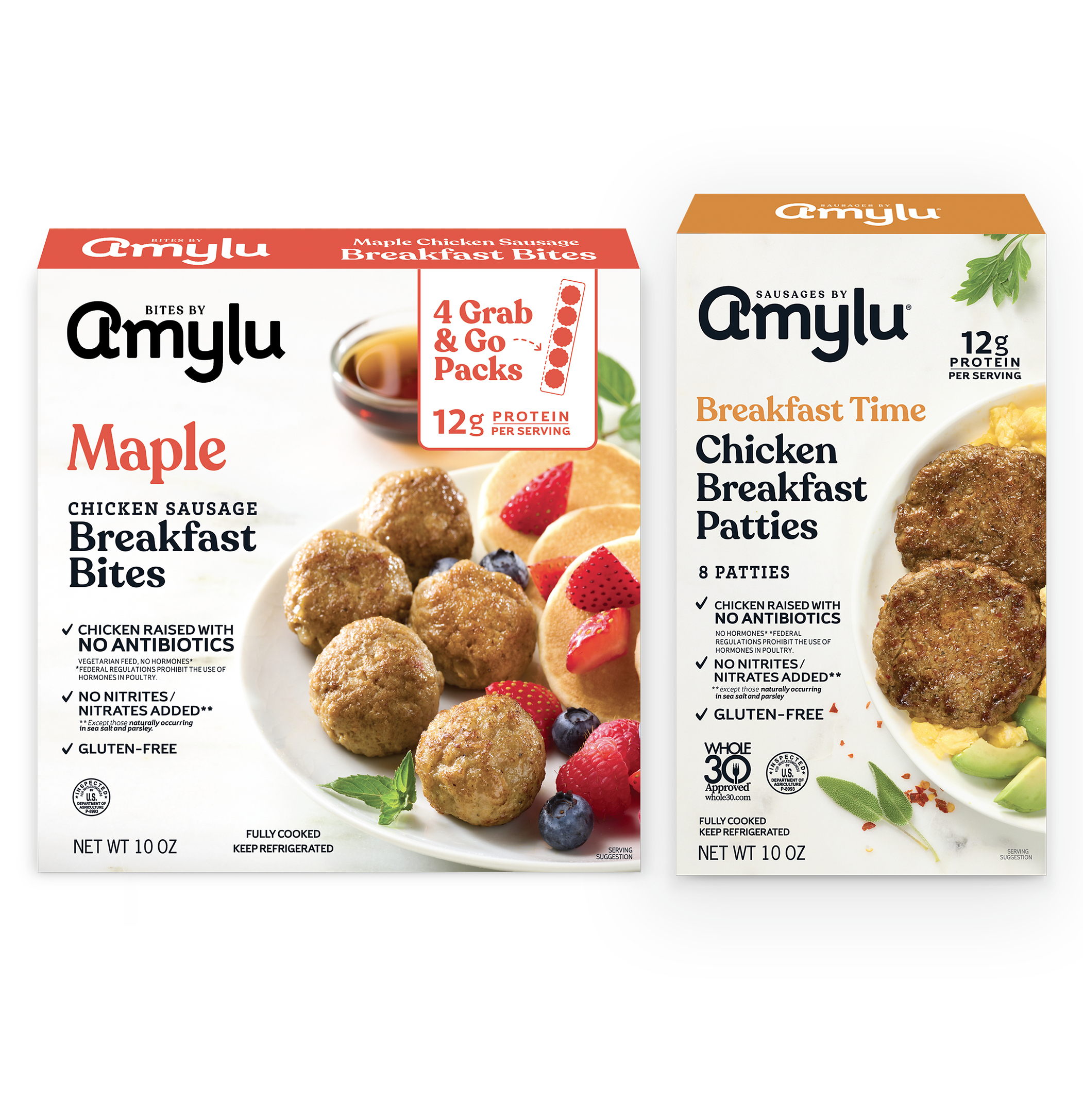
Of the 11 products entering or growing at Target, eight are existing SKUs expanding their store count, and three are new-to-retail launches. Two of the three introductions target the breakfast occasion directly. Target will be the first retailer to carry Amylu's Breakfast Time Patties in a refrigerated format, while Maple Breakfast Bites will debut in an individually portioned, grab-and-go refrigerated pack. The formatting choice is deliberate: both products are engineered for snack and morning dayparts rather than traditional dinner assembly — a shelf adjacency play that positions Amylu alongside convenience and snack sets rather than only the dinner-protein fixture.
"Consumers are rethinking where and how they incorporate protein throughout the day, creating opportunities well beyond traditional lunch and dinner occasions," said Ashlee Leo, VP of Marketing at Amylu Foods. The brand is currently the #1 dollar-growth chicken sausage brand by SPINS data and is driving nearly half of total segment growth. It also holds the #1 dollar-growth position within refrigerated chicken breakfast sausage and ranks #2 across the entire breakfast sausage and meats category.
What This Signals for Buyers
For retail buyers and foodservice procurement teams, the Amylu trajectory reflects a broader category shift: high-protein, minimally processed chicken formats are outpacing legacy pork-based breakfast meats in velocity and distribution expansion. The GLP-1 medication tailwind — which has accelerated consumer demand for protein-dense, satiating foods — is giving better-for-you protein brands incremental shelf conversations that would have been difficult to win two years ago. Brands that can demonstrate dollar-growth leadership in a segment, as Amylu does with SPINS-backed data, are entering retailer reviews with a materially stronger argument than those relying on velocity alone.
For operators watching the retail-to-foodservice crossover, the grab-and-go breakfast format is worth tracking. Individually portioned refrigerated protein packs that win at mass retail often migrate into hotel grab-and-go programs, campus dining, and convenience-store foodservice within 12 to 18 months of proving out at a major anchor retailer like Target. Distribution infrastructure built at 130,000 PODs also signals the brand has the co-packing and cold-chain depth to support non-retail channel conversations.
Brands benchmarking their own retail readiness and buyer deck strategy should note how Amylu is sequencing its story: category-rank data first, new-format innovation second, and occasion expansion as the growth narrative — a structure that tends to perform well in both buyer presentations and trade media placements. Suppliers evaluating premium protein category trends for their own 2027 planning cycles should register how quickly a single anchor-retailer expansion can reframe a brand's entire distribution conversation.
Written by Michael Politz, Author of Guide to Restaurant Success: The Proven Process for Starting Any Restaurant Business From Scratch to Success (ISBN: 978-1-119-66896-1), Founder of Food & Beverage Magazine, the leading online magazine and resource in the industry. Designer of the Bluetooth logo and recognized in Entrepreneur Magazine's "Top 40 Under 40" for founding American Wholesale Floral, Politz is also the Co-founder of the Proof Awards and the CPG Awards and a partner in numerous consumer brands across the food and beverage sector.