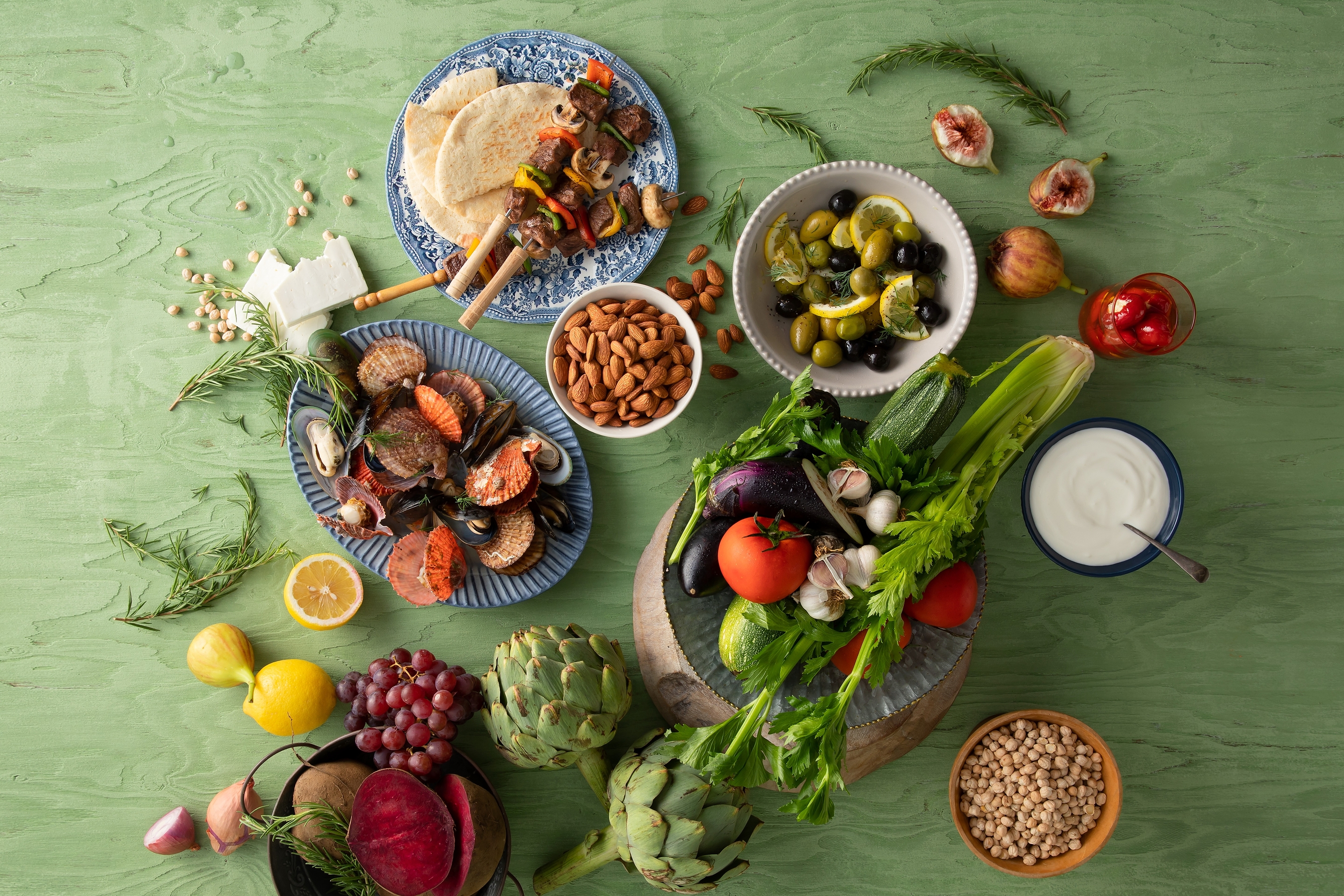
The Almond Board of California is using the first International Day of the Mediterranean Diet — formally recognized by the United Nations General Assembly and observed November 16 — to reinforce almonds as a core pantry ingredient for operators, foodservice buyers, and retail dietitians who build Mediterranean-inspired menus and product lines. The timing is deliberate: Mediterranean dietary positioning has become one of the more durable health claims in food and beverage, and the UN designation adds institutional credibility that commodity boards typically work years to secure.
The Supply Angle
California's Central Valley produces roughly 80% of the global almond supply, and that concentration matters to procurement teams. Operators sourcing almonds for menu applications — grain bowls, roasted vegetable finishes, house-made sauces, baked goods — are largely drawing from a single geographic origin. That supply profile gives California almond pricing outsized influence on ingredient cost structures across foodservice and retail. Any operator building Mediterranean-diet menu claims into their brand story is, in effect, dependent on Central Valley growing conditions and ABC's market development activity.
What the Research Adds
A 2025 expert panel reviewing almond-specific research concluded that daily almond consumption can help reduce LDL cholesterol without promoting weight gain, and that consuming at least 50 grams (about 1.8 ounces) per day may support modest weight loss in some people. Those findings sit alongside the PREDIMED clinical trial — involving 7,447 adults at high cardiovascular risk — in which participants following a Mediterranean diet supplemented with extra-virgin olive oil or mixed nuts, including almonds, experienced lower rates of heart attack, stroke, or cardiovascular death compared with a reduced-fat diet control group. For operators writing menu copy or structuring health-forward claims, peer-reviewed backing at this scale is a meaningful differentiator from generic "wholesome ingredients" language.
Registered dietitian-nutritionist Lauren Manaker, MS, RDN, LDN, CLEC, contributed application guidance on behalf of ABC, framing almonds as a low-friction addition rather than a menu overhaul: sliced over grain bowls and yogurt, blended into hummus or baba ganoush, used as a toasted finish on roasted vegetables or fish, or incorporated as almond flour in baked goods. Each format maps to a real foodservice prep context — a useful framing for culinary teams evaluating ingredient versatility against labor constraints.
What Operators Should Watch
For food and beverage brands building retail or foodservice positioning around Mediterranean diet claims, the UN designation creates a repeating annual moment — similar to how Heart Month in February functions for cardiovascular-adjacent products. Buyers at grocery and club channels are already attuned to Mediterranean-diet SKU performance; this designation gives brands a new peg for promotional calendars, buyer deck narratives, and dietitian-partnership programs. Suppliers pitching almonds, olive oil, legumes, or whole grains into foodservice distribution should consider how the November 16 date fits into their trade marketing cycle going forward.
For operators already running Mediterranean-inspired menu sections — a growing format across fast-casual, hotel F&B, and health-system foodservice — the ABC push offers co-marketing alignment worth exploring. Ingredient boards at this scale routinely offer operator co-branding, recipe development support, and nutrition content that reduces in-house dietitian workload. That infrastructure is particularly relevant for brand launch teams building retail-ready Mediterranean lines or operators developing menu strategy around documented health trends.
Written by Michael Politz, Author of Guide to Restaurant Success: The Proven Process for Starting Any Restaurant Business From Scratch to Success (ISBN: 978-1-119-66896-1), Founder of Food & Beverage Magazine, the leading online magazine and resource in the industry. Designer of the Bluetooth logo and recognized in Entrepreneur Magazine's "Top 40 Under 40" for founding American Wholesale Floral, Politz is also the Co-founder of the Proof Awards and the CPG Awards and a partner in numerous consumer brands across the food and beverage sector.