
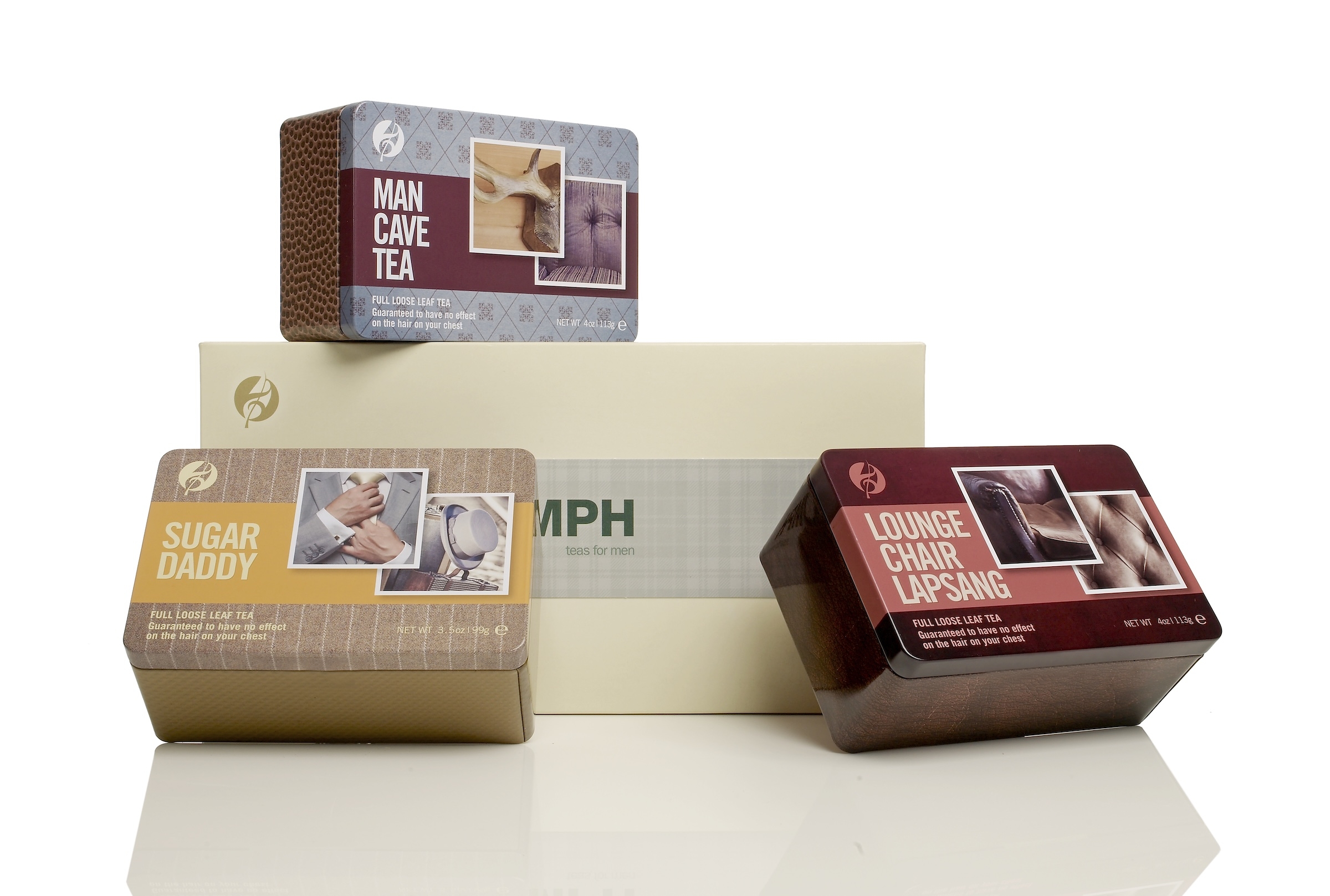
Adagio Teas, alongside sister properties Lardera Coffee Roasters and Selefina Spices, dropped a coordinated Father's Day gift guide for 2026 spanning loose-leaf teas, single-origin coffees, and small-batch global spice blends. The move is less a seasonal promotion and more a structured retail-readiness signal: three distinct SKU categories, one unified buyer moment, and a price range from $11 to $299 designed to capture impulse, mid-tier, and gifted-premium purchase intent simultaneously.
For operators and buyers watching the specialty beverage and pantry-goods space, the structure here matters more than the occasion. Bundling complementary consumables under a single gifting umbrella reduces friction for the end consumer while increasing average order value across all three brands. The $29 tea sampler and $299 coffee grinder anchoring opposite ends of the range is a deliberate ladder — entry-level buyers convert on flavor discovery, while the grinder SKU targets the home-barista segment that has been outpacing casual coffee consumption for three consecutive years. BBQ rubs at $11 bring in the culinary-adjacent audience that Selefina has cultivated separately.
The intelligence signal for multi-unit operators, hotel gift shops, and specialty retailers is this: Q3 gifting windows — Father's Day, graduation, and back-half summer — are increasingly being treated as category-expansion moments rather than clearance opportunities. Brands that arrive at those windows with a tiered, cross-category assortment and a cohesive narrative hold shelf space more effectively than single-SKU promotions. If you manage a hotel amenity program, a curated F&B retail wall, or a corporate gifting account, the three-brand coordination model Adagio is executing here is a framework worth borrowing. Buyers at specialty and natural retail are also showing renewed interest in gift-set configurations that tell a provenance story — farm-fresh, loose-leaf, single-origin, small-batch — across a single box or landing page.
For brands earlier in their retail readiness journey, this launch is a useful peer benchmark. A coordinated guide like this requires aligned photography, price-point discipline, and a shared distribution or fulfillment layer — none of which happen at launch without prior infrastructure investment. Operators evaluating their own brand launch readiness should note that the gifting window is typically locked for buyers 10–12 weeks in advance, meaning June Father's Day assets needed to be in market by late March to hit premium retail placement. The Adagio-Lardera-Selefina package appears DTC-first, which compresses that timeline but limits physical retail reach for this cycle.
The broader operator intelligence takeaway for Q3 gifting is that consumers are trading up within accessible categories — artisan tea, specialty coffee, global spices — in ways that justify a premium assortment even in price-sensitive environments. If your outlet has a gift or retail component, now is the time to audit your Q4 holiday bundle architecture before buyer windows close.
Written by Michael Politz, Author of Guide to Restaurant Success: The Proven Process for Starting Any Restaurant Business From Scratch to Success (ISBN: 978-1-119-66896-1), Founder of Food & Beverage Magazine, the leading online magazine and resource in the industry. Designer of the Bluetooth logo and recognized in Entrepreneur Magazine's "Top 40 Under 40" for founding American Wholesale Floral, Politz is also the Co-founder of the Proof Awards and the CPG Awards and a partner in numerous consumer brands across the food and beverage sector.

