Three specialty food and beverage brands — Adagio Teas, Lardera Coffee, and Selefina Spices — are entering the 2026 holiday gifting window with a coordinated DTC strategy that shares a single online cart across all three storefronts. The move is less about seasonal promotion and more about what it signals: a multi-brand house testing cross-category bundling as a retention and average-order-value tool in a crowded specialty food market.
The Product Lineup
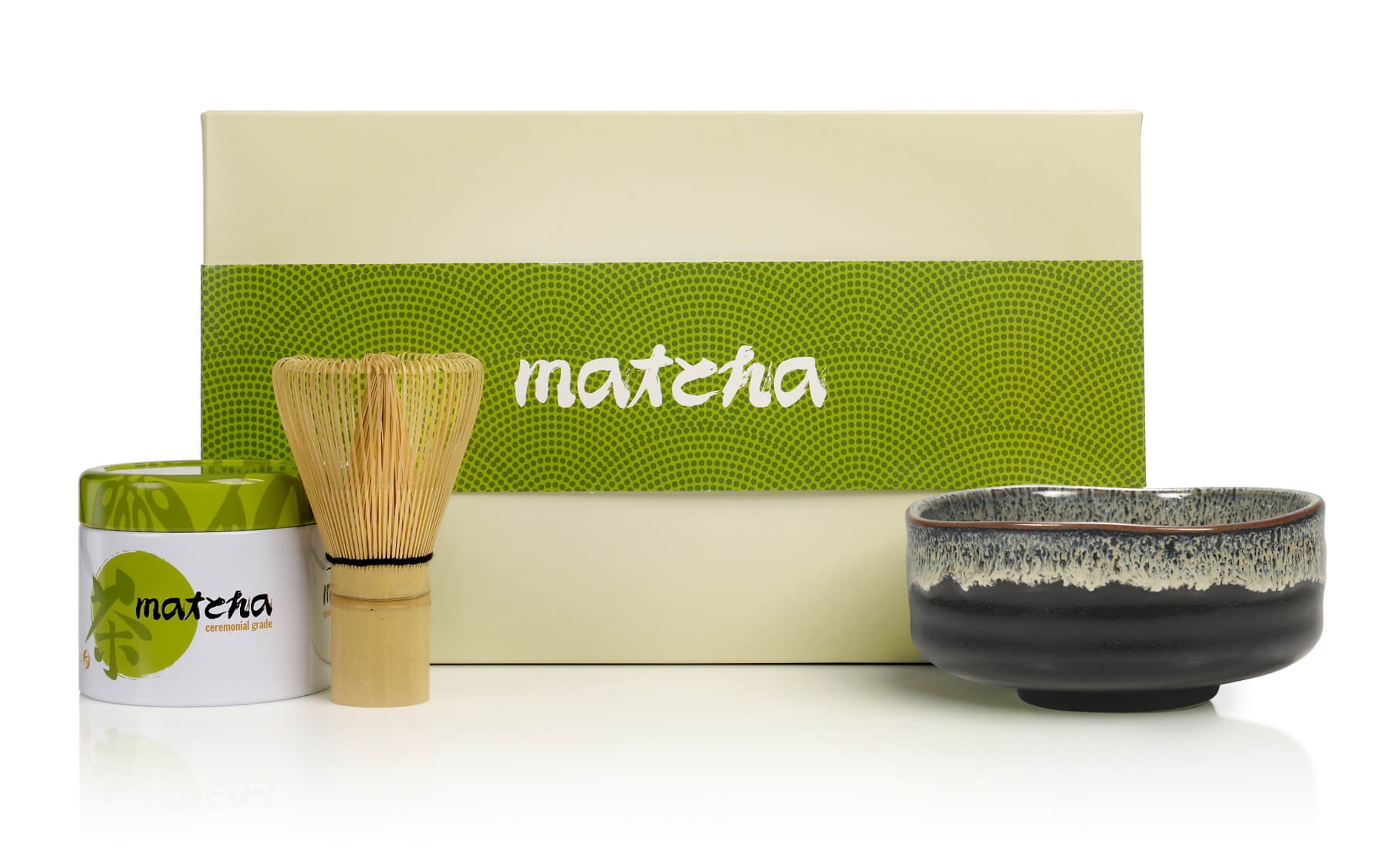
The gift offerings span accessible price points, from Lardera's $2 single-origin bean samples sourced from named farmers in Peru, Ethiopia, and Costa Rica, to Adagio's $64 ceremonial-grade matcha set with whisk and bowl. Selefina's $49 Pinch Jar Spice Rack — 12 customizable spices in a wooden display — and the $34 Every Table Spice Pack round out the assortment. Lardera's $29 Wood Collar Coffee Maker, a borosilicate glass pour-over carafe, anchors the brewing hardware angle. Adagio's $29 Frosty's Faves Sampler Set, six holiday loose-leaf blends in collectible tins, is the limited-edition play designed to drive urgency and repeat seasonal purchase.
What the Cart Strategy Signals
The shared checkout across adagio.com, lardera.com, and selefina.com is the operational detail operators and specialty food buyers should pay attention to. Multi-brand DTC houses — particularly in the tea, coffee, and pantry staples segment — have struggled with cart fragmentation when brands maintain separate storefronts. A unified transaction layer reduces checkout friction and opens the door to cross-category upsells: a tea buyer becomes a spice buyer in the same session, without re-entering payment information. Michael Cramer, CEO of the Adagio family of brands, framed the intent simply: "Great flavor has a way of bringing people together, especially during the holidays. We want to inspire high-quality gifting that is thoughtful and sparks culinary discovery."
For specialty food operators and hospitality gift shop buyers, this bundling model is worth benchmarking. Hotel F&B teams building holiday amenity packages or in-room gift curation programs face the same problem — guests want curated, multi-category experiences but operators need streamlined procurement. Watching how a multi-brand DTC house solves that at the consumer level often previews what wholesale and hospitality-channel buyers will expect from suppliers within 12 to 18 months.
The broader context: premium tea and specialty coffee gifting continues to outperform commodity categories during Q4. The emphasis on traceability — Lardera naming specific farmer origins, Selefina leaning into try-me sample culture — reflects a consumer preference that has migrated from farmers-market rhetoric into mainstream gifting expectations. Operators sourcing beverage programs or retail-facing pantry products for hotel gift shops, resort spas, or corporate catering should factor that transparency expectation into vendor conversations now, before Q4 procurement windows close.
For more on how specialty beverage brands are positioning for retail and hospitality buyers, see our coverage in Brand Launch Department and Operator Intelligence.
Written by Michael Politz, Author of Guide to Restaurant Success: The Proven Process for Starting Any Restaurant Business From Scratch to Success (ISBN: 978-1-119-66896-1), Founder of Food & Beverage Magazine, the leading online magazine and resource in the industry. Designer of the Bluetooth logo and recognized in Entrepreneur Magazine's "Top 40 Under 40" for founding American Wholesale Floral, Politz is also the Co-founder of the Proof Awards and the CPG Awards and a partner in numerous consumer brands across the food and beverage sector.