7-Eleven is deploying a multi-brand, multi-channel limited-time offer around National Chicken Finger Day (July 27) and National Chicken Wing Day (July 29), using $1 price-point mechanics across its Raise the Roost and Speedy Café restaurant concepts — a move that illustrates how convenience retail is systematically encroaching on quick-service restaurant traffic.
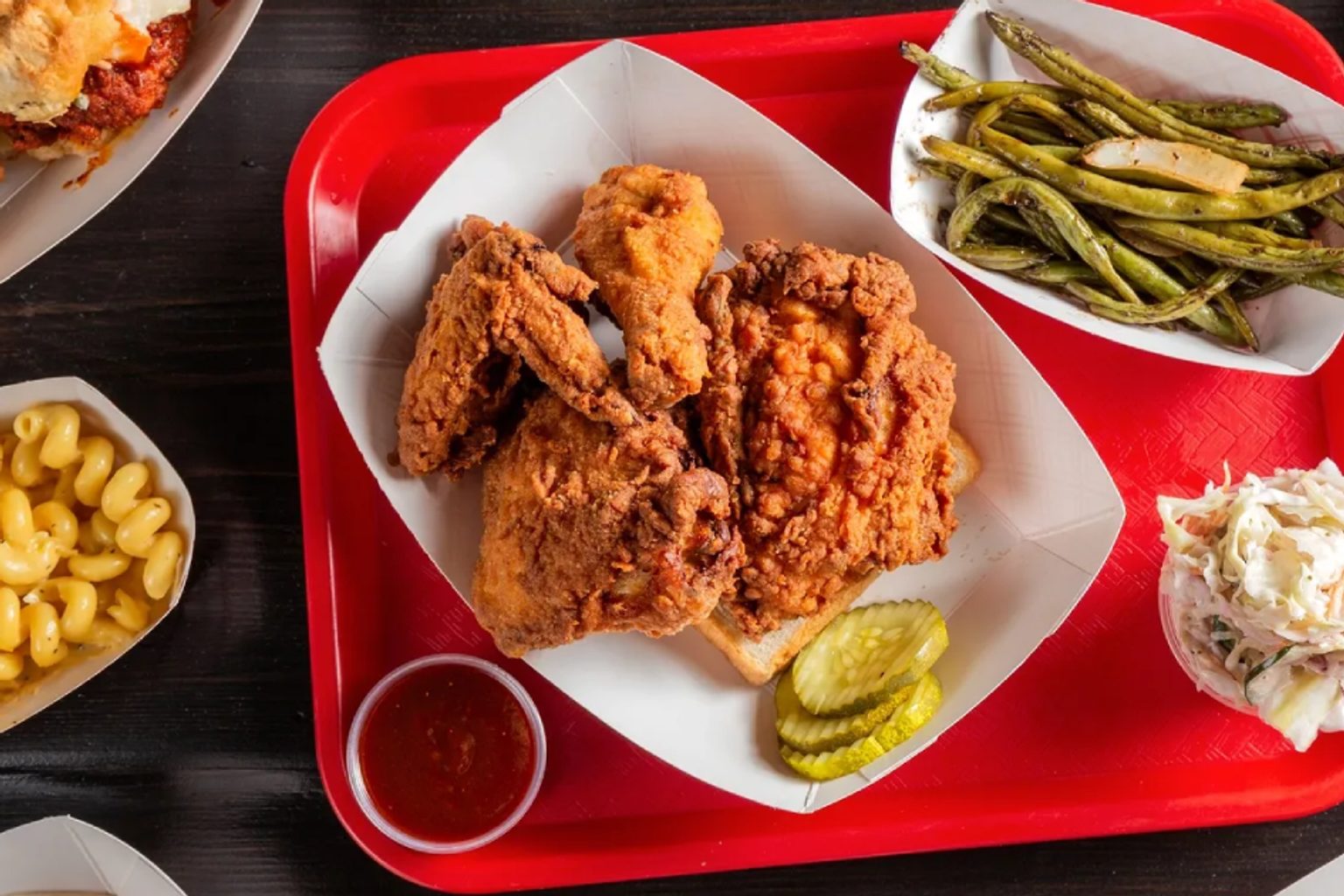
The chain sold nearly 1.9 million wings on National Chicken Wing Day last year, a volume figure that should get the attention of any QSR operator or chicken-segment supplier tracking channel shift. This year's program adds a layered deal structure: single chicken tenders or bone-in wings for $1 at participating Raise the Roost locations (July 27–30), $5 wing packs for Speedy Rewards members at Speedy Café, and a 10-wings-for-$8 offer through the 7NOW delivery app available through late August.
Why C-Store Foodservice Matters Now
For operators and suppliers, the more significant signal here is structural, not promotional. 7-Eleven now operates across four distinct restaurant brands — Raise the Roost, Speedy Café, Laredo Taco Company, and its legacy hot-food counters — inside a footprint of more than 13,000 U.S. and Canada locations. Layering a loyalty program with over 100 million combined 7Rewards and Speedy Rewards members on top of that footprint gives the company a CRM-driven promotional engine that rivals what most regional fast-casual chains can deploy. The $1 price point functions less as a margin play and more as a foot-traffic driver that converts convenience visits into foodservice transactions.
The delivery component is equally instructive. Routing the 7NOW app offer through the same promotional window as in-store LTOs means 7-Eleven is reinforcing delivery habit formation at an aggressive price — a tactic QSR and fast-casual operators have used to build first-party delivery data over the past three years. For chicken suppliers and co-manufacturers, a promotion that moves 1.9 million-plus units in a single day represents a meaningful demand signal worth tracking in procurement planning.
What Operators and Vendors Should Watch
William Armstrong, Senior Vice President of Restaurant Operations and Innovation at 7-Eleven, Inc., framed the offer around occasion-based consumption: "Whether customers are winging it for lunch, feeding a crowd or ordering straight to the couch, these chicken deals deliver the kind of bold flavor and saucy satisfaction that fans show up hungry for." The language is deliberate — it positions c-store chicken across daypart and occasion, not just impulse purchase.
For foodservice operators competing in the chicken segment, the practical implication is that the competitive set is no longer limited to other QSR or fast-casual concepts. Convenience chains with embedded restaurant brands and scaled loyalty programs are now running coordinated LTO campaigns with the promotional sophistication of national chains. Suppliers pitching into convenience foodservice channels should be prepared for volume-driven RFPs tied to these calendar moments, and regional operators may want to audit whether their own July chicken promotions are being outpriced at the pump down the street.
Written by Michael Politz, Author of Guide to Restaurant Success: The Proven Process for Starting Any Restaurant Business From Scratch to Success (ISBN: 978-1-119-66896-1), Founder of Food & Beverage Magazine, the leading online magazine and resource in the industry. Designer of the Bluetooth logo and recognized in Entrepreneur Magazine's "Top 40 Under 40" for founding American Wholesale Floral, Politz is also the Co-founder of the Proof Awards and the CPG Awards and a partner in numerous consumer brands across the food and beverage sector.