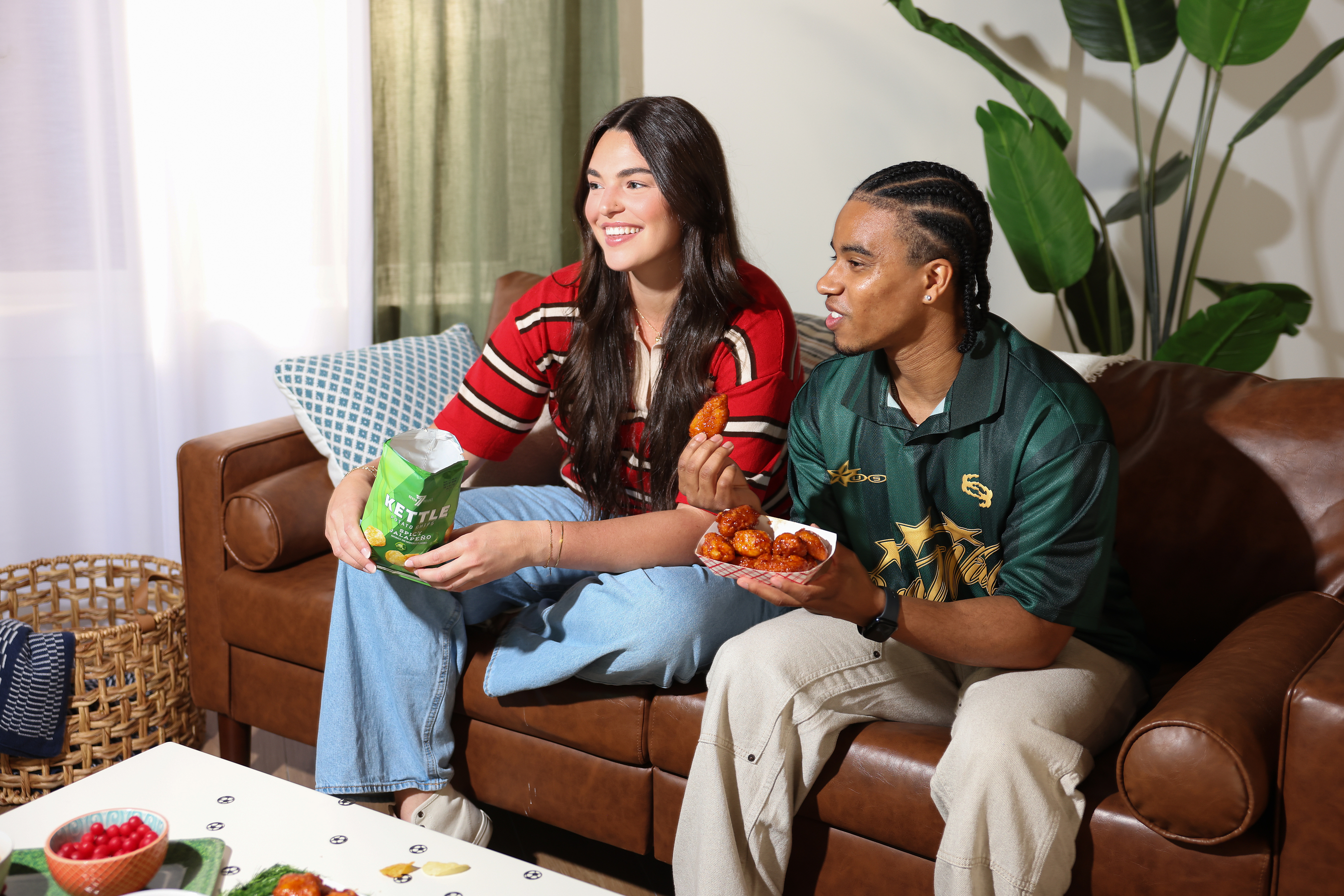
7-Eleven, Inc. has launched FanLand™ across participating 7-Eleven®, Speedway®, and Stripes® locations, converting its convenience footprint into a themed food-and-drink destination timed to the 2026 FIFA World Cup tournament cycle. New limited-time items — including the GOAL-AZO Taco and G.O.A.T. Hot Chicken Sandwich — anchor the program alongside deals structured to drive app engagement and repeat visits throughout the tournament window. For operators outside the c-store channel, this activation is worth dissecting less for its menu novelty and more for the demand-occasion architecture underneath it.
Convenience retail has quietly become one of the most aggressive foodservice battlegrounds in the country. C-stores now account for a meaningful share of prepared-food transactions that once defaulted to QSR, and major tournament windows — Super Bowl, March Madness, World Cup — have become critical LTO deployment periods. 7-Eleven's FanLand™ playbook mirrors what we've seen from quick-service operators building geo-fenced media campaigns around stadium corridors and from CPG brands engineering retail activations timed to cultural moments. The throughline is the same: convert ambient fan energy into a structured purchase occasion with named products and a promotional deadline.
For independent restaurant operators and emerging food brands, the intelligence here sits in the mechanics of occasion-based menu drops. 7-Eleven has the distribution infrastructure to absorb a multi-SKU LTO at scale, but the strategic logic — name the moment, build the product around the name, attach a deal to compress the decision window — is fully portable to a 12-unit fast-casual group or a regional CPG brand pitching a co-branded retail placement. Suppliers and brokers who can package occasion-ready SKUs with social-ready naming conventions will be better positioned as both c-store and grocery buyers increasingly look for tournament-tied activations in the back half of 2026.
The AI and growth-marketing implication is also worth flagging. A program like FanLand™ generates dense, time-stamped transaction data across thousands of locations — exactly the kind of behavioral dataset that feeds predictive replenishment models and personalized offer engines inside loyalty apps. Operators building their own occasion-based promotions should think about what first-party data they are capturing from the activation, not just what margin the LTO delivers in the moment. An AI-ready promotional audit before your next LTO launch will surface whether your POS and CRM stack can actually capture and action the signal these campaigns generate.
The bottom line for operators is structural, not sentimental. 7-Eleven is not running a marketing stunt — it is executing a repeatable occasion-revenue playbook at scale. The 2026 World Cup, hosted across U.S. cities, is the largest single sports-tourism event North America has seen in decades. Any operator without an occasion strategy mapped to the tournament calendar is leaving covers, check averages, and loyalty enrollment on the table.
Written by Michael Politz, Author of Guide to Restaurant Success: The Proven Process for Starting Any Restaurant Business From Scratch to Success (ISBN: 978-1-119-66896-1), Founder of Food & Beverage Magazine, the leading online magazine and resource in the industry. Designer of the Bluetooth logo and recognized in Entrepreneur Magazine's "Top 40 Under 40" for founding American Wholesale Floral, Politz is also the Co-founder of the Proof Awards and the CPG Awards and a partner in numerous consumer brands across the food and beverage sector.