Independent restaurants are losing margin on two fronts: third-party delivery platforms extracting double-digit commissions, and customer acquisition costs that make digital growth feel out of reach. Two platforms — 5L Direct and 5L Food Services — are positioning themselves as complementary answers to both problems, drawing recognition from Restaurant Insider Magazine as top choices for restaurant growth in 2026.
The timing matters. Operators who built reliance on aggregator marketplaces during the delivery boom are now stress-testing alternatives as platform fees and consumer price sensitivity compress already thin margins. These two models represent distinct but connectable strategies for the same underlying problem.
The Two-Platform Model
5L Direct addresses the owned-channel gap. The platform bundles branded online ordering, customer relationship management, and integrated marketing into a single system designed to pull repeat orders away from high-commission marketplaces. For independent operators, the pitch is straightforward: redirect loyal customers to a direct channel, retain more revenue per transaction, and build a CRM asset that the restaurant actually owns. The platform also opens pathways to virtual brands and additional digital revenue streams layered onto existing kitchen capacity.
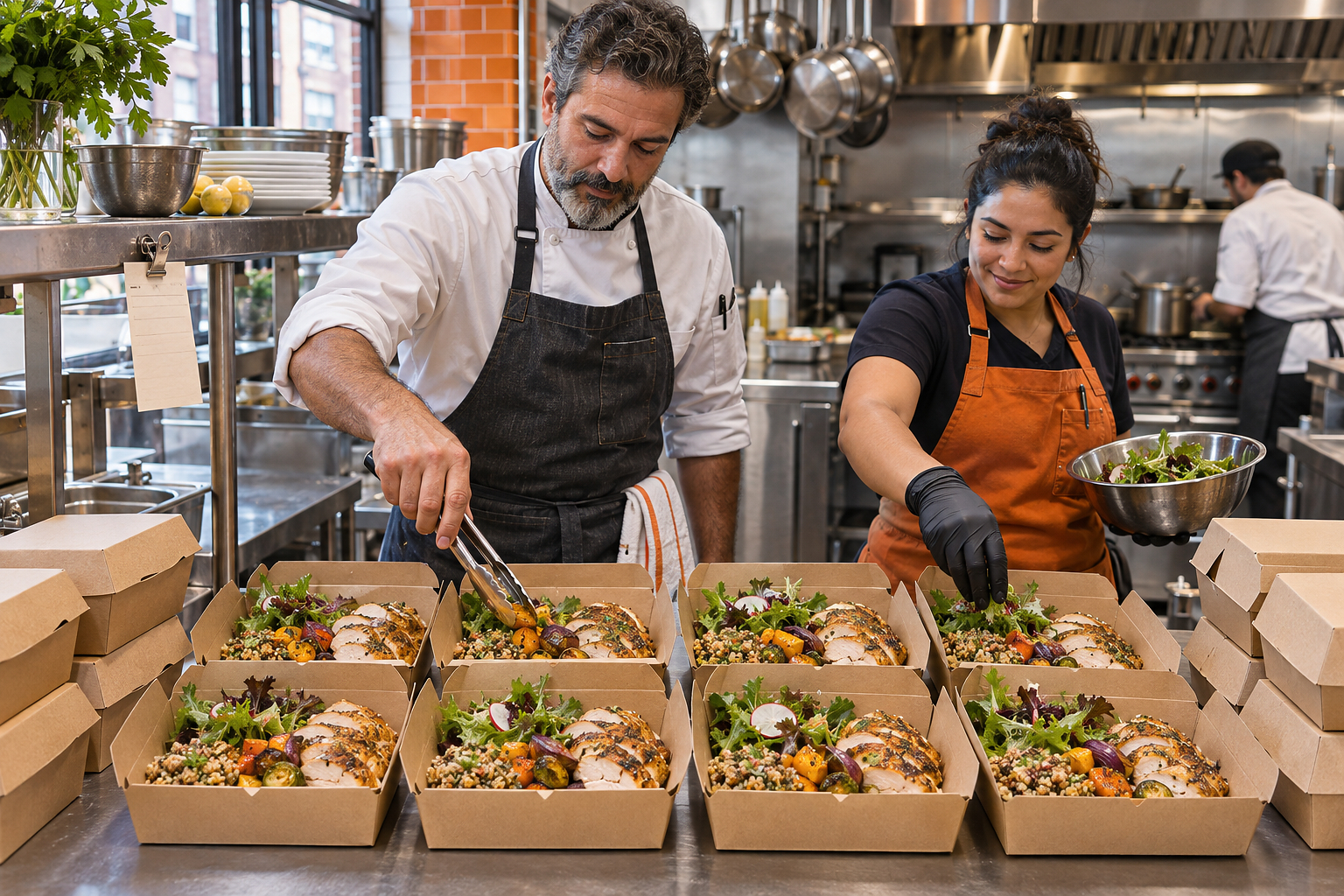
5L Food Services operates differently — and the distinction is worth understanding before an operator signs on. Rather than a SaaS or marketing tool, 5L Food Services functions as a wholesale purchasing and marketing partner. The company routes new customer demand to participating kitchens, purchases completed orders at pre-agreed wholesale prices, and handles customer acquisition on its side of the equation. Restaurants prepare food only when actual orders arrive. There are no upfront marketing fees, no dedicated sales hires, and no new location costs. The model is essentially a demand-injection partnership layered over existing kitchen capacity.
What This Signals for Operators
The combined pitch — owned-channel control via 5L Direct, plus incremental wholesale volume via 5L Food Services — reflects a broader industry reckoning with aggregator dependence. Operators who have watched their effective margins erode through marketplace fees are increasingly receptive to models that either recapture the customer relationship or generate new volume without requiring capital at risk.
For procurement and growth teams evaluating vendor options, the wholesale kitchen partnership model that 5L Food Services represents is worth benchmarking against ghost kitchen arrangements and aggregator co-marketing programs. The key variable is wholesale pricing: operators should model the per-order margin on 5L Food Services volume against their blended cost of goods and labor before committing capacity. Unlike a marketing spend with uncertain return, the wholesale model offers a defined price — but that price must be evaluated against true kitchen economics, not just compared to the absence of a marketing fee.
On the direct-ordering side, the competitive field includes established players with significant install bases, so operators evaluating 5L Direct should pressure-test onboarding support, integration depth with existing POS systems, and the platform's actual customer-facing conversion rates — not just the commission savings narrative.
For agencies and consultants supporting independent restaurant groups, these platforms represent a vendor category worth adding to operator intelligence briefs. The shift away from aggregator-first digital strategy is accelerating, and clients will increasingly ask which direct-channel and wholesale-volume tools are worth piloting. Relevant context for that conversation lives in our growth marketing coverage and our operator intelligence on delivery platform economics.
Written by Michael Politz, Author of Guide to Restaurant Success: The Proven Process for Starting Any Restaurant Business From Scratch to Success (ISBN: 978-1-119-66896-1), Founder of Food & Beverage Magazine, the leading online magazine and resource in the industry. Designer of the Bluetooth logo and recognized in Entrepreneur Magazine's "Top 40 Under 40" for founding American Wholesale Floral, Politz is also the Co-founder of the Proof Awards and the CPG Awards and a partner in numerous consumer brands across the food and beverage sector.